Withdrawal Methods in the Philippines: Minimums, Fees and the Right Fit
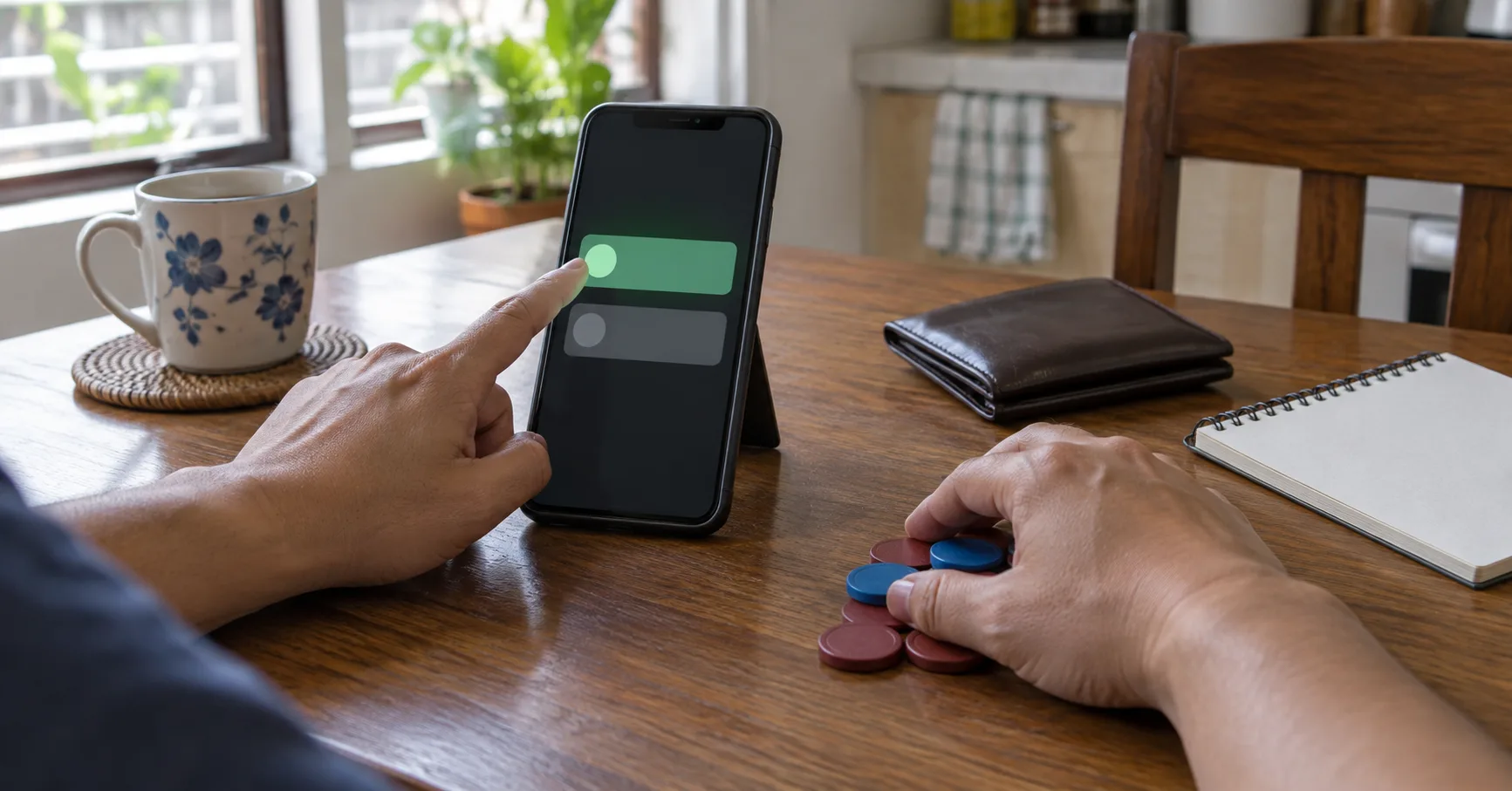
A small withdrawal can feel much smaller when the available route has a high minimum or a fee. If you have roughly PHP 500 to work with, check the cashier’s current options before choosing where any eventual payout should go. A familiar cash-in method may not be available for cash-out.
What the tax headline says about withdrawals
On 28 September 2026, Philstar Business reported the IMF’s call for the Philippines to broaden its tax base and avoid tax amnesties. That is the event described in the supplied headline; it does not itself announce a new withdrawal fee, payment method or cashier rule for players.
For a player deciding how to cash out, the immediate impact is therefore a limit on what can be concluded from the news. Do not switch payment routes or budget for a supposed new charge on the strength of that headline. Check the terms displayed for your account when you request a withdrawal, including the destination, minimum and any disclosed fee. As of 28 September 2026, this briefing reflects that report; check for newer information after 5 October 2026.
Find the routes available for cash-out
Start inside the withdrawal screen, where the methods available to your account should be shown. An e-wallet, bank account or payment-centre route might appear, but availability can differ between cash-in and cash-out. A payment centre that accepts cash deposits, for example, should not be assumed to pay out cash. Read what the withdrawal screen actually offers before making plans around a nearby counter.
If GCash or Maya appears as a withdrawal destination, compare its displayed conditions with the other available routes. The wallet you use most often may be convenient, especially on a phone, but convenience alone cannot tell you whether your balance meets its minimum or whether a charge applies.
Check which methods are shown under withdrawals, since a method listed for deposits may have no cash-out option.
Confirm that the destination belongs to you and that its account details match the details requested on the withdrawal form.
Read the minimum and maximum shown for each route before deciding how much of your available balance to request.
Look for any fee and its deduction method, so you know whether it reduces the amount you receive.
When a minimum strands a small balance
A withdrawal minimum is a threshold for the request, not a promise that every peso in your account can leave immediately. For a PHP 500 budget, the distinction matters: money below a route’s minimum may remain in the account until a permitted request is possible. Do not assume that adding another deposit is the right fix. That would put more money at risk to solve a cash-out problem.
Consider a hypothetical account with PHP 420 available to withdraw. If one route requires at least PHP 500 and another requires at least PHP 300, only the second route meets the minimum for a PHP 420 request. Those figures illustrate the comparison; they are not Silver Tide Gaming’s terms or an offer from any provider. The actual threshold is the one displayed for your account when you make the request.
Also check whether the minimum applies to the amount requested or the amount left after a fee. If the screen does not make that clear, ask support before submitting a request whose outcome depends on the distinction. A deposit minimum answers a different question and cannot settle it.
Measure the cost against what you will receive
A flat fee takes a larger share of a small withdrawal than of a large one. Suppose, purely as an example, a route deducts PHP 20 from a PHP 420 request. The amount received would be PHP 400 if that fee comes out of the payout. If a different route has no displayed fee but a minimum above PHP 420, it may still be unusable for that request. Compare eligibility and cost together.
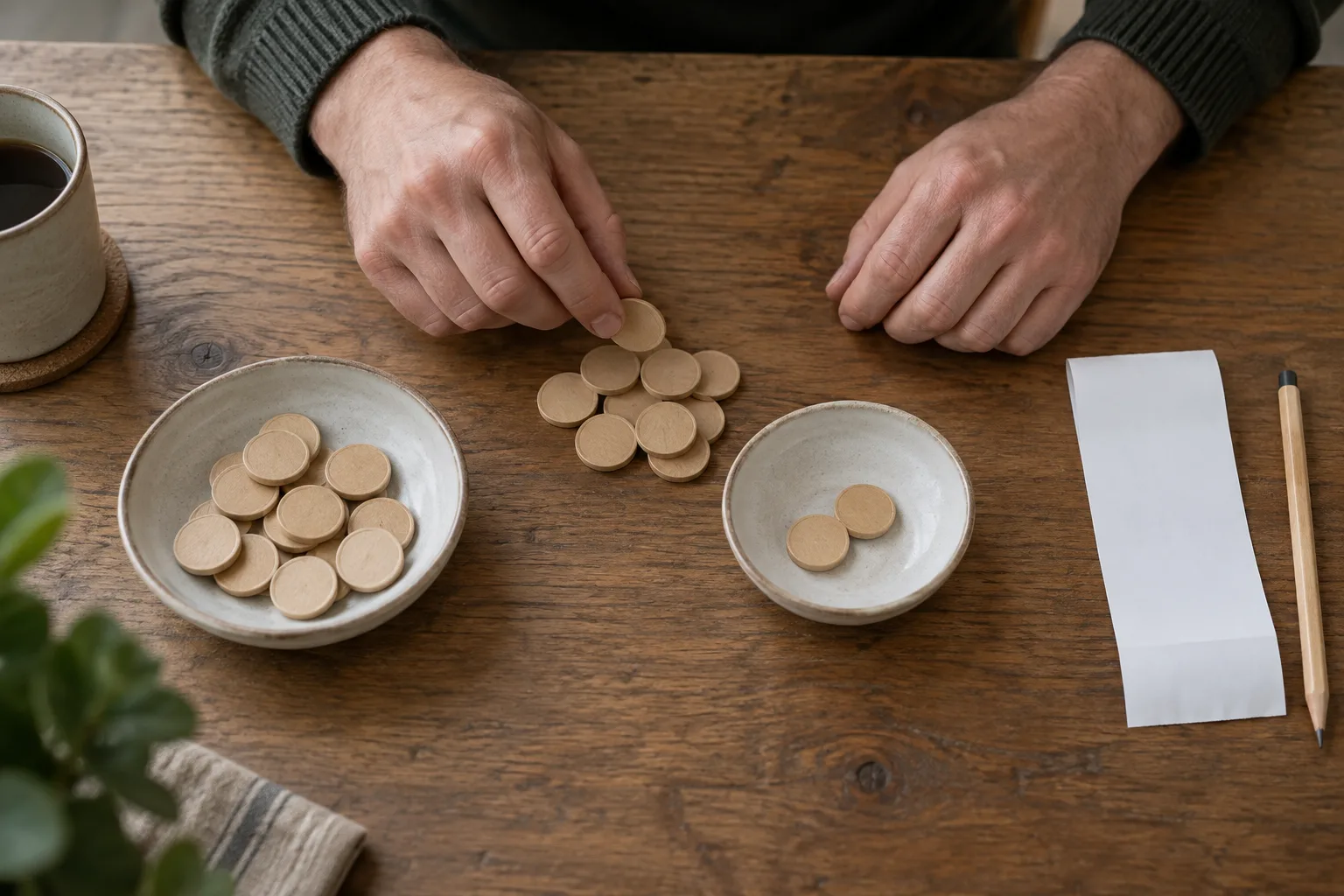
Fees can sit in different places: on the cashier screen, at the receiving provider or at a physical collection point. The presence and amount of any charge must be checked for the route you actually select. Before confirming, use the same basis for every available option:
Write down the amount you can withdraw and exclude any balance the cashier does not mark as available.
Record each route’s displayed minimum, then set aside routes your intended request does not meet.
Check every disclosed charge and calculate the amount you would receive after any deduction from the payout.
Verify the receiving details and collection requirements before choosing the cheapest route that you can actually use.
Choose for your access, not just the headline fee
An e-wallet can suit a player who already uses that wallet and can check its account details on a mobile phone. A bank route may suit someone who wants the money in an existing bank account. A payment-centre option is useful only if the cashier offers it for withdrawal and the player can meet its collection conditions. None of those choices is automatically best for every PHP 500 budget.
Think about where you will be when you need to review the request. On mobile data, a weak connection can make a confirmation screen difficult to read or leave you uncertain whether a tap registered. Use a stable connection, check the request status before trying again, and keep the displayed details for your records. If you usually play late in the evening, make this comparison while you have time to read each condition, rather than when you are eager to leave a session.
Make the final choice from the current screen
For a small-budget player, the practical choice is the route that accepts the intended amount, leads to a destination you can access and leaves an acceptable amount after disclosed costs. If the screen leaves any of those points unclear, pause and ask about that specific condition. The IMF headline offers no substitute for the withdrawal terms in front of you.