Silver Tide Gaming Login App Claims: What to Check Before Installing
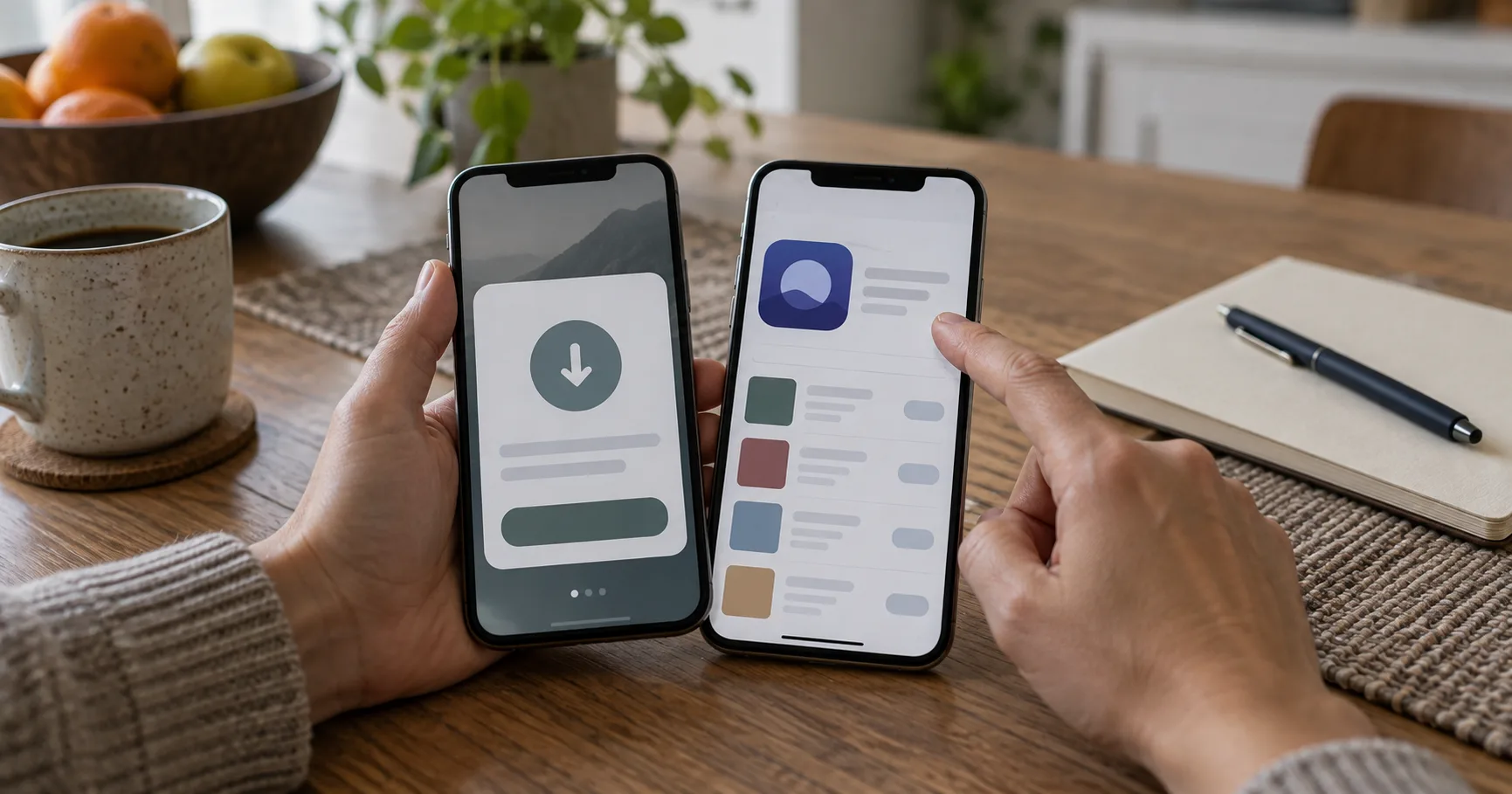
On 24 September 2026, Inquirer News reported that a tropical depression’s trough was expected to bring rain to the Visayas and Mindanao that Thursday.
The forecast does not establish that mobile networks, payment services or any gaming app will fail. Rain may make a mobile-data download less dependable for some players, though, especially when they are away from reliable Wi-Fi. If an install stalls, wait for a stable connection and check the source again before tapping a second download link. A weather advisory is no reason to accept a file sent through chat.
As of 24 September 2026, this is a forecast-based precaution; the situation may have changed after that date and is no longer current after 1 October 2026.
Read the announcement for its actual claim
An app announcement can tell you where its publisher wants you to go, which device it addresses and whether it describes a new install or an update. It cannot, by itself, prove that the sender controls Silver Tide Gaming. A polished graphic, a familiar icon and an urgent deadline are easy to copy. The useful question is whether the destination matches a brand channel you located independently of the announcement.
No verified Silver Tide Gaming notice, download address, package identifier or store listing was supplied for this page. There is therefore no specific file or publisher to endorse here. If you see a message claiming that login now requires a replacement app, treat that as a claim to check, not as a change already confirmed. The same applies to a message saying an older version will stop working tonight.
Read the wording closely. “Available for Android” does not necessarily mean “listed in Google Play”; “iPhone access” does not identify an App Store listing. A notice that mentions easier deposits also says nothing about the safety of its installer. Keep those claims separate while you verify the route.
Trace the download before opening the file
Start from a channel you previously saved or find through a search you initiate yourself. A forwarded link can lead to a convincing copy of a site, while a QR code hides its destination until your phone opens it. Follow the route in order, and stop wherever the details cease to agree.
Open a previously saved brand address or begin an app store search yourself; avoid starting with the button in a forwarded chat or flyer.
Compare the destination domain, publisher name, app icon and update description across sources you reached independently before opening an installer prompt.
On Android, identify whether the download is an APK and whether it asks you to allow installation from an unknown source.
On iPhone, inspect App Store or TestFlight details directly; a screenshot of a listing cannot show where its link leads.
After installation, open the app without adding funds, check its login screen and retain the source address for later update checks.
An APK is an Android installation file, not proof of who made it. Likewise, an App Store or TestFlight invitation should be examined in the store or testing app itself, not judged from a picture. If an Android notice points to one domain but the file comes from another, pause before granting installation access. If an iPhone link unexpectedly asks for a configuration profile, pause there too. Neither detour is explained by the word “update” alone.
Permission prompts are part of the evidence
A login app may need network access to reach an account, but each additional permission deserves its own explanation. Android and iOS show different prompts, so compare what appears on your device with the feature you are actually using. An announcement saying “secure login” does not explain a request to read messages, draw over other apps or control the screen. Review the prompt before entering a password or one-time code.
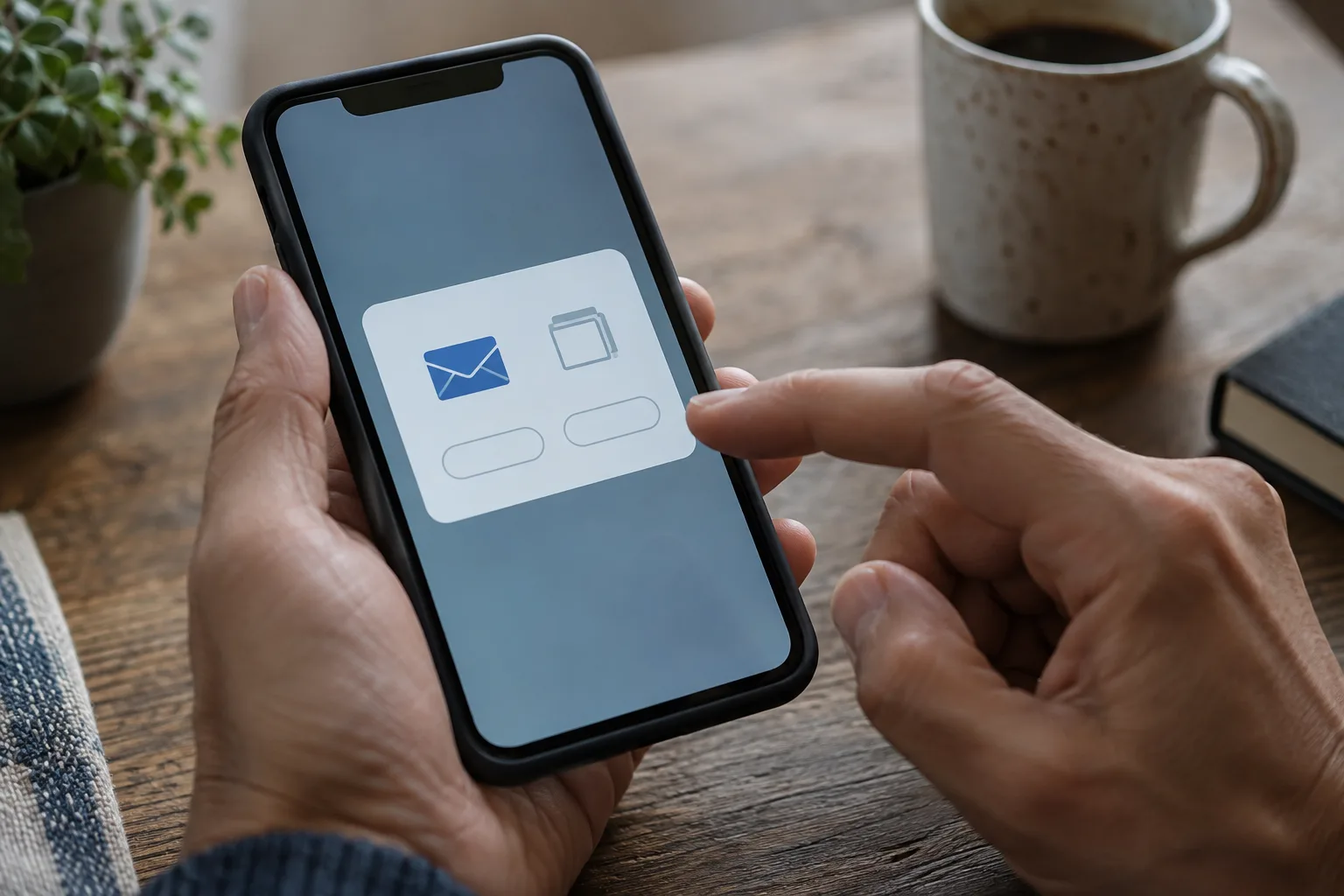
Question an SMS-reading or notification-access request that appears before login unless a clearly explained feature genuinely needs that access.
Pause at Accessibility Service, screen-recording, device-administrator or overlay prompts because each can expose more than a basic sign-in requires.
Keep one-time codes and wallet PINs inside their trusted apps; a download notice gives you no reason to enter them elsewhere.
Check whether declining a permission leaves basic login available, and record which screen requested it if you need an explanation.
Review Android or iOS settings after the first session and remove permissions unrelated to features you actually used.
A permission prompt is evidence of what the software requests, not evidence that the publisher is genuine. If the app cannot explain a sensitive request in terms you can check, leave it unopened while you confirm the install route. Changing a phone setting to make an unknown file run should be a deliberate decision, never the automatic next step after reading an announcement.
Keep the PHP 500 separate from the install decision
For a player with PHP 500 to spend, the first test costs nothing: verify the source and open the app before considering a cash-in. A fake installer can display familiar names such as GCash and Maya; seeing those payment choices cannot establish who published the file. Nor does a payment logo prove that an account balance will be credited. Confirm the app route before moving money from an e-wallet or visiting a payment centre.
This matters when a notice arrives during an evening mobile-data session, when it is tempting to install quickly and continue playing. A slow page may simply be loading; repeated taps can also send you through different links. Save the announcement, inspect the destination on a stable connection and return to your PHP 500 decision afterward. If the source remains unclear, keeping the money in your wallet is a concrete outcome, not an unfinished installation.
What you can conclude once the app opens
A successful install proves that a file ran on your phone. It does not establish the file’s origin, the accuracy of an announcement or the safety of later payment requests. Compare the source you used with the source you meant to use, then look for unexpected permission prompts or a demand for an e-wallet PIN. If either appears, stop before entering account details.
For Silver Tide Gaming, the practical standard is a traceable path from an independently located channel to the installed app, with permissions you can explain. Without a verified notice or listing, this article cannot name the correct download. It can help you identify what an announcement actually says and where its claims still need proof.