GCash and Silver Tide Gaming: How to Spot a Copycat Site Before You Pay
On 26 September 2026, players in Metro Manila and parts of Luzon faced a heavy-rain forecast reported by Inquirer News on 25 September. Rain does not make a gaming site fraudulent, but disrupted travel or mobile data could make a rushed cash-in harder to check. A player with PHP 500 set aside may be especially tempted to finish the payment before a connection drops.
For today, keep any payment-centre trip optional and pause a GCash payment if the page will not load clearly enough to inspect. Use a stable connection to check the address and recipient before approving anything. As of 26 September 2026, this weather-related advice is current; reassess the conditions after 3 October.
Start from a route you already trust
A search result, sponsored post or message can display the words “Silver Tide Gaming” without taking you to the brand’s real site. The same applies to a link forwarded in a group chat during a weekend session. Treat the link as a claim about where it leads, not as proof of ownership. A familiar logo and polished page design cannot settle the question either.
No verified Silver Tide Gaming domain was supplied for this article, so there is no address here to compare against or recommend. If you have an address you previously verified through a trusted brand channel, open that saved address directly and compare it with the new link. If you cannot establish which address is genuine, stop before entering a password or approving a GCash request. A small budget gives you little reason to test an uncertain page with real money.
Inspect the address before entering account details
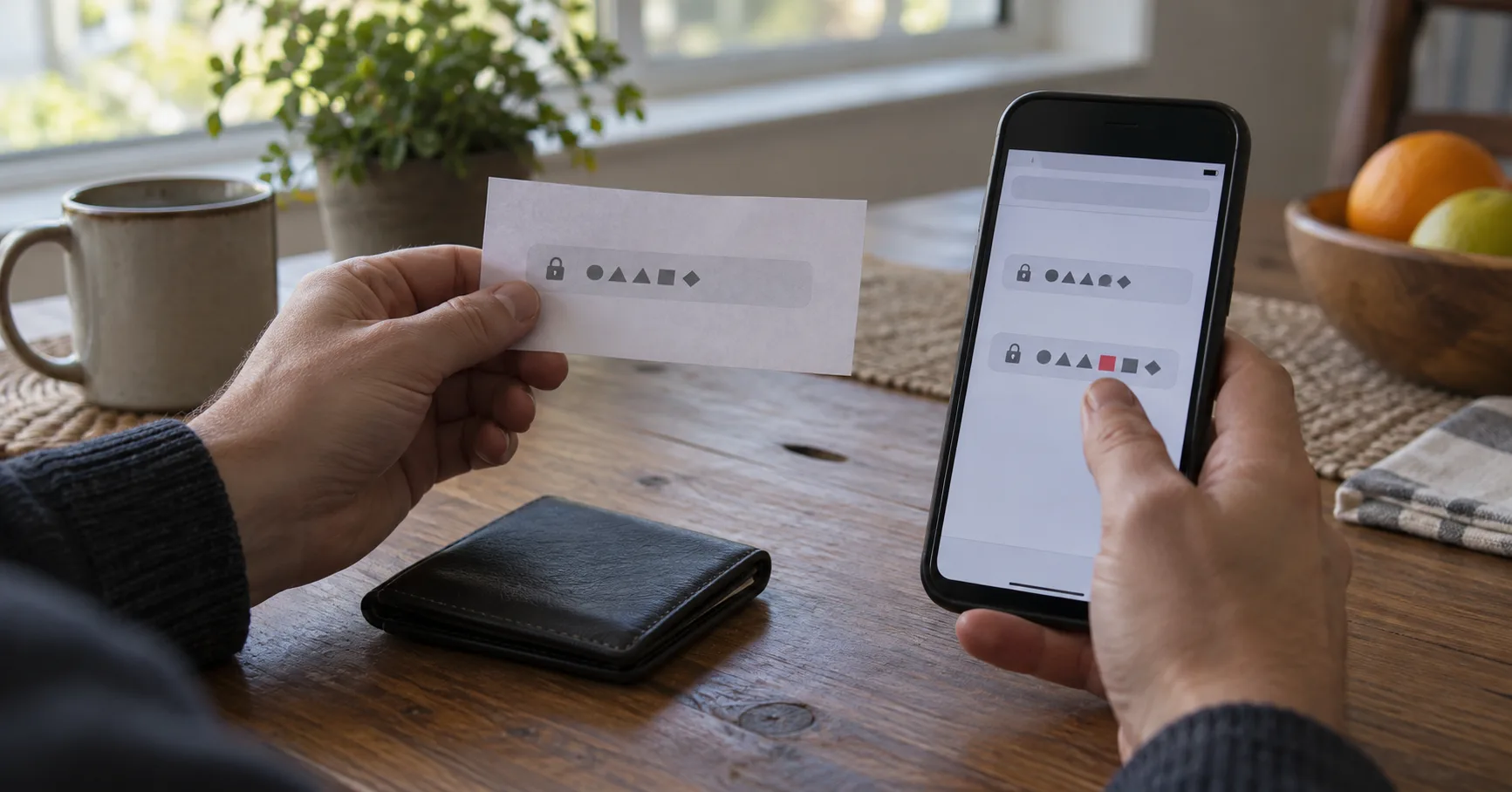
On a phone, the visible link in a message may differ from the destination that opens in the browser. Expand the address bar and read the host closely. A secure connection icon only says the connection is encrypted; it does not establish who operates the site. Copycats can also use encryption.
Compare the complete domain with the address you previously verified, paying attention to extra words, changed letters and unusual endings.
Check the address again after a redirect, because the page you reach may use a different host from the link you tapped.
Be wary of a page that asks for your wallet PIN, one-time code or account password outside the expected sign-in flow.
Pause when a message creates an urgent deadline to pay, recover access or claim a reward before you can verify the site.
Open Login through your trusted route if a copied sign-in screen appears, instead of following the suspicious message back to it.
One odd detail is enough to justify stopping, although its absence cannot prove that a site is genuine. A scam page may copy the layout accurately and choose an address that looks plausible at a glance. Checking the host is most useful when you compare it with a known reference, rather than judging whether it merely looks professional.
Read the GCash handoff as a separate check
If a site offers GCash, the payment prompt deserves its own inspection after the domain check. Look at the recipient information and amount displayed at the point where you would approve payment. If either differs from what you expected, leave the prompt and investigate through a channel you already trust. Do not let a page’s instructions persuade you to ignore what your wallet shows.
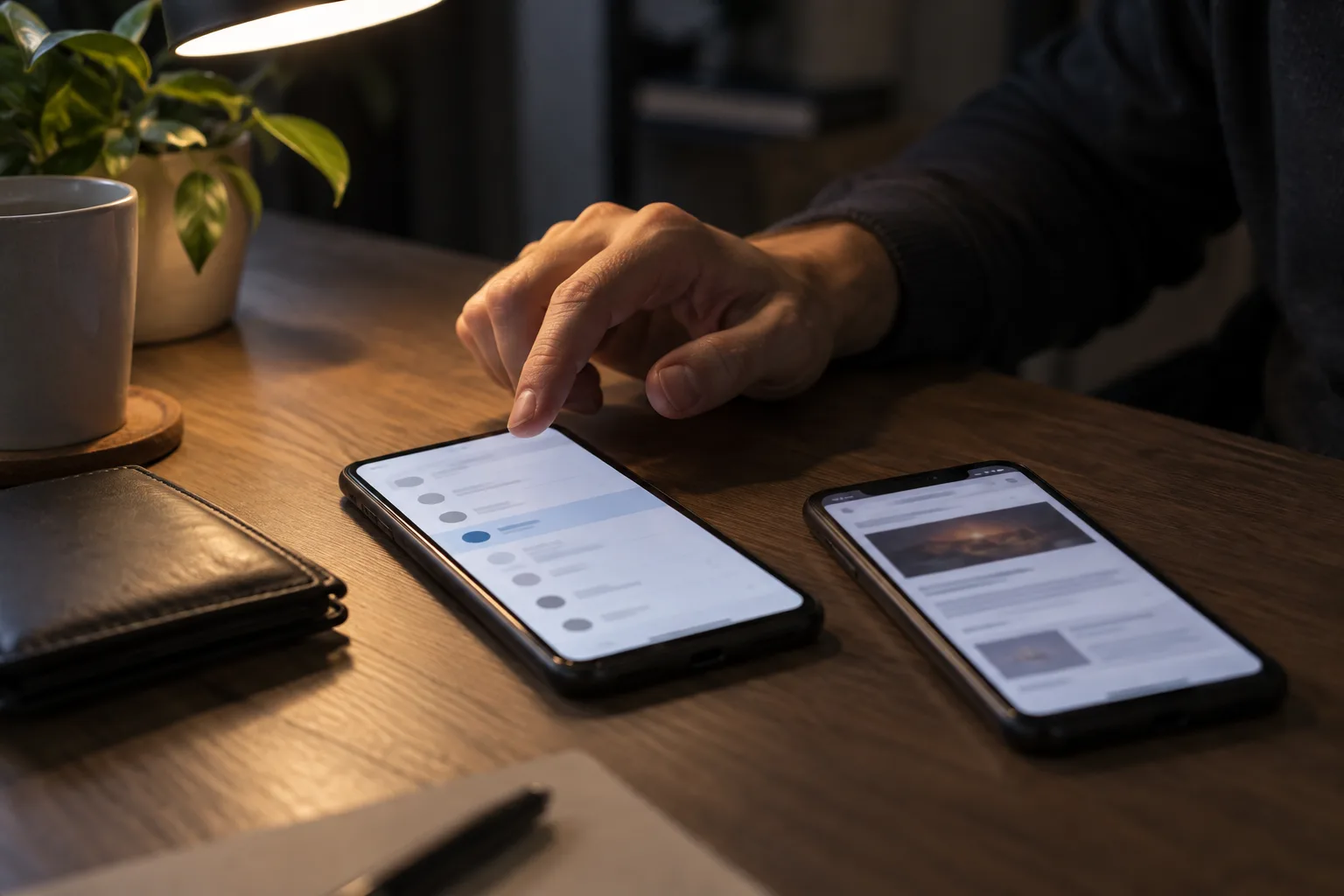
A copied site may try to move the conversation into a private chat or ask for payment to a personal-looking account. That request is a warning sign, not evidence of any particular operator’s payment setup. The same caution applies when someone says a separate GCash transfer is required to release a Withdrawal. Verify the claim through a trusted route before sending another peso.
If you already used the suspicious page
The right next step depends on what you shared. Opening a page, entering a password and approving a payment are different events, so record what happened before details fade. Do not return to the questionable page to ask its chat agent for help. Use support routes you find independently, including the wallet’s own support channel if your GCash account or transfer is involved.
Close the suspicious page and save its full address, message thread and any payment receipt without entering more information there.
Change a password entered on that page through the verified account route, and change it anywhere else you reused it.
Review account activity and available security controls through the genuine service, then secure other accounts that share the same credentials.
Report a completed or attempted GCash payment through an independently opened wallet support channel, providing the transaction details you have.
Keep screenshots and reference details together if you report the incident to the brand, wallet provider or appropriate authorities.
Do not assume that reporting a transfer guarantees its return. A prompt report gives the relevant provider a clearer record of what happened, while changed credentials can reduce further account exposure. If you entered a one-time code or wallet PIN, tell the wallet provider exactly that; it changes the urgency and the facts they need to review.
Keep the PHP 500 decision simple
With roughly PHP 500 available, postponing a session is a reasonable choice when the route to payment remains uncertain. That is especially true on mobile data, where a brief interruption can leave you switching between a browser, a message and a wallet prompt. Recheck the domain after every switch. A copied page relies on the moment when those screens blur together.
Local players may use an e-wallet at home or visit a payment centre before an evening session, but neither routine verifies a gaming site. Keep the source of the site address separate from the source of the payment instruction, and confirm both before committing funds. For Silver Tide Gaming, the practical rule is straightforward: if you cannot independently identify the genuine destination and expected recipient, keep the PHP 500 in your wallet.